
Travel
Travel Guide: Your Complete Resource for Exploring the World

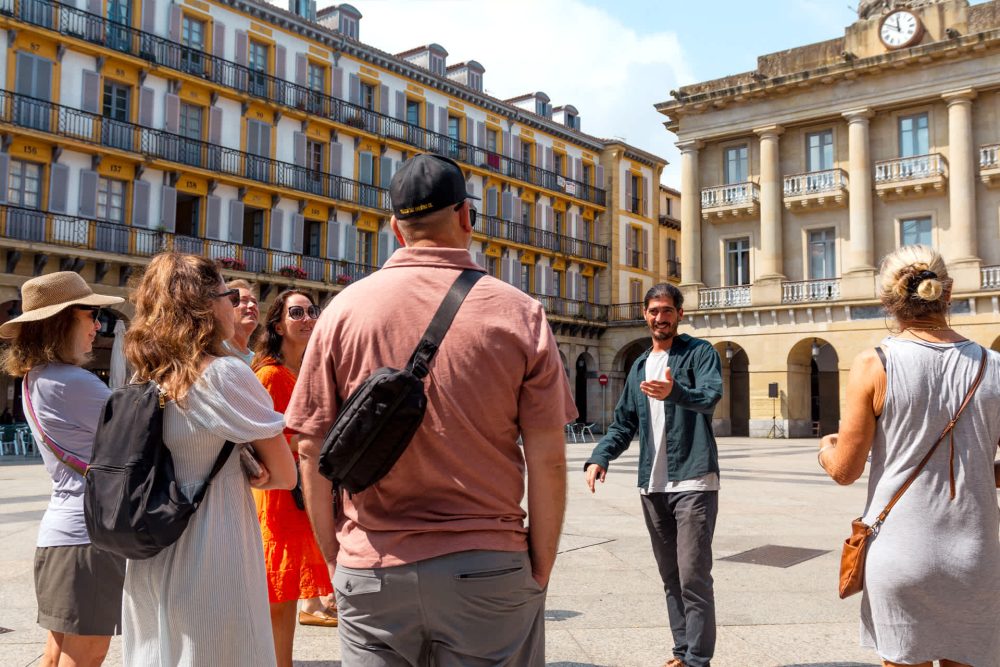
Travelling is more than simply moving from one place to another; it is an opportunity to discover new cultures, explore breathtaking landscapes, and create unforgettable memories. A well-structured travel guide helps travellers make the most of their journey by offering insights into destinations, planning strategies, cultural etiquette, and practical tips. Whether you are embarking on your first solo adventure or planning a family holiday, this guide will walk you through everything you need to know.
Why Use a Travel Guide
A travel guide provides detailed information that helps you plan effectively. Instead of relying solely on online reviews or scattered blogs, a guide offers:
-
Organised insights into destinations
-
Cultural advice to avoid misunderstandings
-
Budget tips for different types of travellers
-
Safety recommendations for peace of mind
-
Local highlights that make your trip unique
By combining these elements, travellers can enjoy both the planning stage and the actual journey without unnecessary stress.
Planning Your Journey
Researching Destinations
Every successful trip begins with thorough research. Consider the following when choosing where to go:
-
Climate and seasonality: Check weather conditions to avoid extremes like monsoon seasons or peak heat waves.
-
Local events and festivals: Travelling during a festival can enrich your experience but may also increase costs.
-
Travel restrictions: Stay updated on visa rules, entry requirements, and safety advisories.
Setting a Budget
Budgeting is one of the most crucial steps in travel planning. A clear plan will help you manage your finances effectively:
-
Transport costs: Flights, trains, buses, or car rentals
-
Accommodation: Hotels, hostels, guesthouses, or holiday rentals
-
Daily expenses: Meals, sightseeing, public transport, and shopping
-
Emergency funds: Always set aside money for unexpected circumstances
Choosing Accommodation
Accommodation greatly influences your travel experience. Decide what matters most: location, comfort, affordability, or unique stays. Many travellers now prioritise boutique stays or homestays to experience authentic culture.
Preparing for Travel
Travel Documents
Ensure you have all essential documents before departure:
-
Valid passport and required visas
-
Travel insurance covering health and cancellations
-
Copies of bookings and important IDs
-
Digital and physical backups stored securely
Packing Essentials
Pack smartly to avoid overloading:
-
Lightweight, weather-appropriate clothing
-
Comfortable shoes for walking
-
A compact first-aid kit and medications
-
Power banks, adapters, and chargers
-
Reusable water bottle and eco-friendly items
Health and Safety
Prioritising your health ensures a smooth trip. Check if vaccinations are required, carry essential medication, and research local healthcare access points.
Experiencing a Destination
Local Transportation
Understanding local transport helps you move around affordably and efficiently:
-
Public transport: Metro systems, buses, or trams are cost-effective.
-
Shared rides and taxis: Convenient but often pricier.
-
Bicycles or scooters: Ideal for eco-conscious travellers in urban areas.
Cultural Awareness
Respecting local traditions enriches your journey. Learn basic greetings, dress modestly in religious sites, and always ask before taking photos of locals.
Food and Dining
Cuisine is at the heart of travel. Try local dishes at authentic restaurants, street food stalls, or family-run cafes. Always check hygiene standards to avoid illness.
Tips for Different Types of Travellers
Solo Travellers
-
Choose destinations known for safety.
-
Join guided tours to meet fellow travellers.
-
Stay in central locations for convenience.
Family Holidays
-
Plan activities suitable for all ages.
-
Look for family-friendly accommodation with facilities like pools or play areas.
-
Keep itineraries flexible to accommodate children’s needs.
Adventure Seekers
-
Research hiking trails, diving spots, or extreme sports opportunities.
-
Book activities with reputable providers for safety.
-
Always check weather forecasts before outdoor activities.
Luxury Travel
-
Focus on premium experiences like private tours and fine dining.
-
Opt for luxury resorts or boutique hotels.
-
Consider wellness retreats or cultural immersion programmes.
Technology and Travel
Modern technology makes travelling smoother than ever:
-
Navigation apps for directions and offline maps
-
Translation tools to overcome language barriers
-
Budget trackers to manage expenses on the go
-
Local transport apps for real-time updates
Sustainable Travel Practices
Travelling responsibly helps preserve destinations for future generations:
-
Reduce single-use plastic by carrying eco-friendly alternatives
-
Support local businesses instead of international chains
-
Respect wildlife and avoid exploitative attractions
-
Use trains or buses instead of short-haul flights where possible
Real-Life Travel Challenges
Even the best-prepared travellers face obstacles:
-
Lost luggage: Always carry essentials in your hand luggage
-
Flight delays: Keep flexible plans and know your airline’s compensation policy
-
Language barriers: Use translation apps or carry a phrasebook
-
Cultural misunderstandings: Approach situations with patience and respect
FAQs
What is the best way to save money while travelling?
Book flights and accommodation well in advance, use loyalty programmes, and consider travelling during off-peak seasons.
How can I stay safe in an unfamiliar city?
Avoid isolated areas at night, keep valuables hidden, and always share your itinerary with someone back home.
Should I always buy travel insurance?
Yes, travel insurance is highly recommended as it covers unexpected medical expenses, cancellations, and theft.
What is the best way to experience local culture?
Participate in local festivals, stay with host families, try regional food, and interact with residents respectfully.
How do I handle emergencies abroad?
Keep local emergency numbers saved, register with your embassy if possible, and know the nearest hospital or clinic.
What apps are most useful for international travel?
Navigation apps like Google Maps, communication apps like WhatsApp, translation apps, and local ride-hailing services are essential.

Top 5 Benefits of Choosing a Cosmetic Dentist London, According to Dental Specialists

The Difference Between Wear, Crushing, and Shading in Carpets

7 Traits of Reliable Guard Dogs Ranked by a Professional Dog Trainer

Five Eye-Catching Daylilies That Elevate Everyday Borders
