
Health
Top 5 Benefits of Choosing a Cosmetic Dentist London, According to Dental Specialists

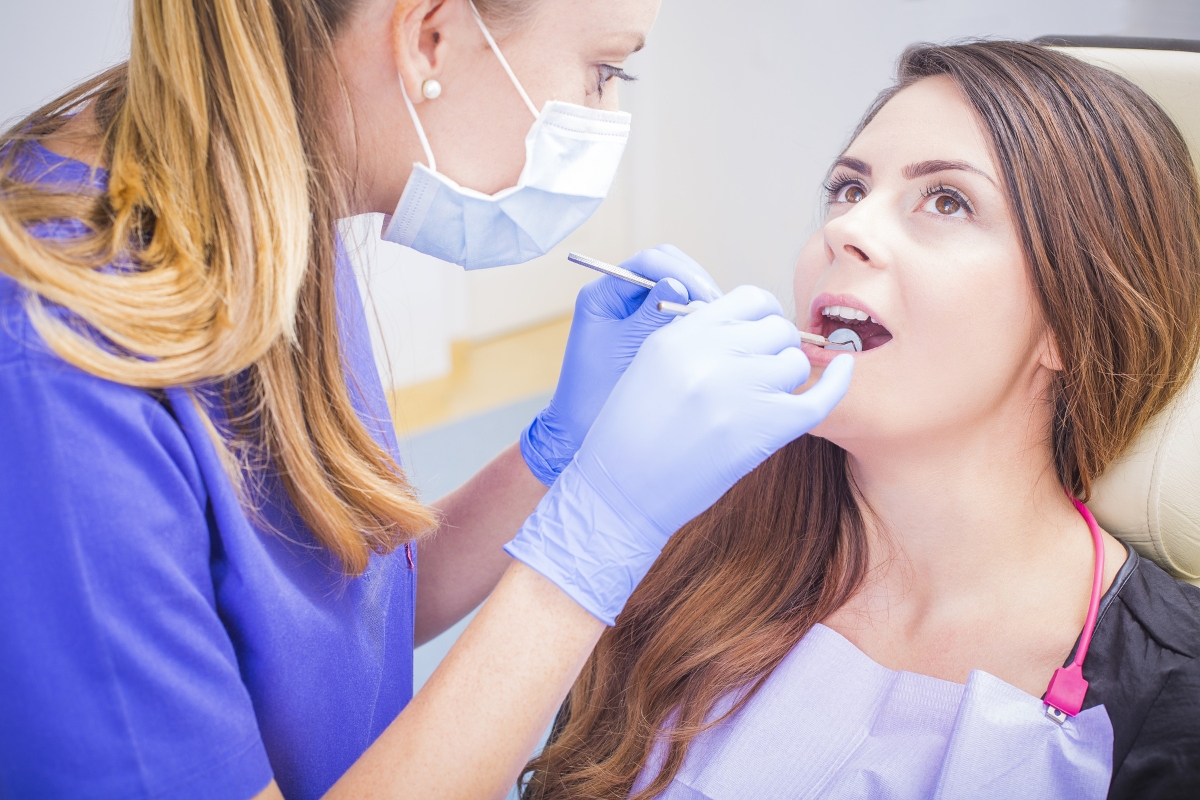
Choosing cosmetic dental treatment is rarely just about improving a smile for photographs. The best outcomes usually come from careful planning, realistic advice, and treatment that fits the patient’s face, bite, and long-term oral health rather than from quick cosmetic changes alone.
A cosmetic dentist London patients consult today is often expected to do far more than whiten teeth or place veneers. The role increasingly sits between aesthetics, preventive dentistry, and functional care. A well-trained clinician must consider gum levels, enamel preservation, bite balance, speech, and how restorative work will age over time. According to the cosmetic dentist Dr. Sahil Patel of marylebonesmileclinic.co.uk, patients should look for clear diagnosis, conservative planning, and a result that suits their features rather than following a generic idea of a perfect smile from a cosmetic dentist London. That advice reflects a wider change in dental thinking: better cosmetic treatment now means natural-looking work that remains stable and maintainable.
Better Planning Leads to More Predictable Results
One of the main benefits of choosing an experienced cosmetic dentist is the level of planning behind the final result. Cosmetic dentistry can look simple from the outside, but small changes in tooth shape, edge length, or shade can have a major effect on facial balance. In London practices that specialise in this area, treatment often starts with photography, digital scans, bite analysis, and a close review of the patient’s dental history. This allows the dentist to identify whether a concern is purely aesthetic or linked to wear, grinding, gum recession, or previous restorations that need replacing.
That planning stage matters because it reduces the risk of disappointment. A patient may initially request brighter, straighter teeth, yet the real issue could be uneven gum levels, old bonding that has discoloured, or crowding that has changed the way the lips sit at rest. Without careful diagnosis, treatment can solve one problem while creating another. Experienced cosmetic clinicians tend to work backwards from the long-term goal, deciding what can be improved conservatively and what should be left untouched. That measured approach is especially valuable in London, where many patients want visible improvement without a result that appears artificial in professional or social settings.
Predictability also depends on communication. Specialist cosmetic consultations often involve mock-ups, wax-ups, or trial smiles so patients can understand the likely outcome before any irreversible work begins. This is useful not only for appearance but for comfort and speech. Teeth that are too bulky, too long, or too bright can feel unfamiliar even if they look striking on the day of fitting. By previewing treatment and adjusting details early, the dentist can produce a result that feels normal rather than newly imposed. For most patients, that is the difference between a smile that simply looks expensive and one that genuinely feels like their own.
Access to Joined-Up Care Improves Both Appearance and Oral Health
A second benefit is access to joined-up care. Cosmetic treatment works best when it is not separated from general dental health. In many cases, a patient asking about whitening or veneers actually needs gum treatment, orthodontics, or replacement fillings before cosmetic work should begin. A practice with strong cosmetic experience is more likely to recognise these links and plan treatment in the right order. That helps protect the teeth and improves the final appearance because the foundations are stable before visible changes are made.
This matters particularly in London, where many adults come to treatment after years of patchwork dentistry completed at different stages of life. They may have one crown, several fillings, a little edge wear, slight shifting of the front teeth, and some staining from coffee or red wine. No single procedure will solve all of that well. The value of an experienced cosmetic dentist lies in deciding whether the patient needs alignment before bonding, gum contouring before veneers, or simply careful replacement of old restorative work rather than aggressive intervention. That kind of sequencing protects enamel and avoids repeated corrective treatment.
The strongest cosmetic outcomes are usually the ones that preserve the most healthy tooth structure. Modern dentistry places more emphasis on minimally invasive methods, such as alignment followed by whitening and bonding, rather than immediately reducing teeth for crowns or extensive veneers. That approach requires patience and technical judgement. It also means the cosmetic plan supports long-term maintenance, because the dentist has considered how the teeth will be cleaned, reviewed, and repaired in future. Good cosmetic dentistry should not sit apart from oral health; it should make the mouth easier to manage and more stable over time.
Natural Aesthetics Usually Matter More Than Dramatic Change
A third benefit is aesthetic restraint. Many people still assume cosmetic dentistry is about dramatic transformation, yet the most successful work is often difficult to detect. In London, where patients range from media professionals to office workers, lawyers, teachers, and public-facing business owners, a natural appearance is frequently more desirable than a conspicuous one. Patients often want to appear rested, healthy, and well looked after, not noticeably treated. That means colour, shape, proportion, and surface texture must be handled with care.
An experienced clinician understands that attractive teeth are not identical teeth. Slight variation in contour and translucency often makes a smile look authentic. Overly flat, uniform, opaque restorations can draw attention for the wrong reasons, particularly in daylight. Skilled cosmetic dentists therefore tend to assess the face as a whole. They look at lip line, skin tone, age, speech pattern, and how much tooth shows when a patient smiles or talks. The aim is not to create a showroom smile but to improve harmony. This is especially important when replacing visible front restorations, because any mismatch with surrounding teeth becomes obvious very quickly.
There is also a practical reason to favour natural aesthetics: restrained treatment tends to age better. Trends change, and what looks fashionable at one moment may appear dated later. Very bright shades or overbuilt tooth shapes can also highlight future staining, wear, or recession. More measured cosmetic work blends in more successfully as the years pass. Patients are increasingly aware of this and often ask for subtle enhancement rather than maximum impact. A thoughtful cosmetic dentist London patients choose for this type of treatment will usually see success not in how much attention the work attracts, but in how little explanation the patient ever needs to give.
Long-Term Value Is About Durability, Not Just Price
The fourth benefit is better long-term value. Cosmetic dentistry in London can be a significant investment, but value is not the same as the lowest fee. A treatment that needs replacing early, chips repeatedly, or creates future maintenance problems often becomes more expensive than a carefully planned option completed properly the first time. Patients who compare treatment solely on price may miss the importance of materials, laboratory quality, preparation design, and review planning, all of which affect how well the work performs over the years.
Durability depends on several factors. The patient’s bite, habits, and oral hygiene all matter, but so does the dentist’s judgment in choosing the right treatment. For one person, composite bonding may be ideal because it is conservative and repairable. For another, porcelain restorations may be more appropriate due to existing damage, heavy wear, or repeated repair history. Problems arise when the treatment selected does not suit the mouth. A skilled cosmetic clinician will explain not only the likely appearance of each option but also the maintenance burden, expected lifespan, and limitations. That allows the patient to make a realistic decision rather than an emotional one.
Long-term value also comes from review and maintenance. Cosmetic work should not be fitted and forgotten. Regular check-ups, hygiene visits, bite reviews, and occasional polishing or repairs are part of preserving the result. Practices with strong cosmetic standards usually place emphasis on aftercare because they understand that even excellent dentistry changes within a living mouth. Patients benefit from knowing where they stand, what may need monitoring, and how to protect their investment. In that sense, the real value of expert cosmetic treatment lies in stability, serviceability, and reduced need for avoidable corrective work later.
Confidence Often Improves Because Function and Comfort Improve Too
The fifth benefit is the effect on confidence, though this is often misunderstood. Patients sometimes describe cosmetic dentistry as a confidence treatment, but their confidence usually improves for practical reasons. They stop covering their mouth when speaking, stop worrying about a worn edge catching the lip, stop noticing a dark crown in photographs, or stop feeling self-conscious about staining at close range. The gain is not only emotional. It comes from no longer managing a visible dental concern throughout the day.
That shift can affect work and social life more than people expect. In professional settings, many adults want to speak clearly and smile without distraction. Small dental issues can become mentally exhausting when they are constantly anticipated, especially in roles involving presentations, meetings, or client contact. Cosmetic treatment that is thoughtfully planned often removes that background anxiety. Where alignment or edge repair is involved, patients may also find speech and biting feel more balanced, which reinforces the sense that the treatment was worthwhile. A good result therefore improves ease as much as appearance.
There is an important caveat here. Confidence gains are strongest when expectations are realistic. Cosmetic dentistry can improve proportions, colour, and visible defects, but it cannot solve every concern a person has about their face or appearance. Ethical dentists make that clear from the start. They guide patients towards treatment that is likely to help and discourage unnecessary procedures that promise more than they can deliver. This honesty is one reason specialist advice matters. The best cosmetic treatment does not create a new identity; it removes avoidable distractions so the patient feels more at ease as themselves.
What Patients in London Should Take From Specialist Advice
The main lesson from dental specialists is that cosmetic treatment works best when it is careful, conservative, and integrated with oral health. The headline benefits are not limited to a better-looking smile. Patients gain more accurate planning, access to joined-up care, natural-looking results, stronger long-term value, and a genuine improvement in daily confidence. These benefits depend less on fashion and more on clinical judgment. In a city with wide treatment choice, that judgment is what separates a quick cosmetic fix from work that remains convincing and maintainable.
For patients considering treatment, the most useful first step is not to ask which procedure is most popular, but which approach best suits their teeth, bite, and goals. A good consultation should explain options clearly, outline limitations honestly, and show how short-term changes will affect the mouth in future. That is the standard increasingly expected in modern cosmetic dentistry. When those principles are followed, the result is usually more than visual polish. It is dental care that looks right, feels comfortable, and continues to make sense long after the initial treatment is complete.

Top 5 Benefits of Choosing a Cosmetic Dentist London, According to Dental Specialists

The Difference Between Wear, Crushing, and Shading in Carpets

7 Traits of Reliable Guard Dogs Ranked by a Professional Dog Trainer

Five Eye-Catching Daylilies That Elevate Everyday Borders
