
Shopping
Top 6 Pollinator-Friendly Orchard Flowers for When You Buy Fruit Trees

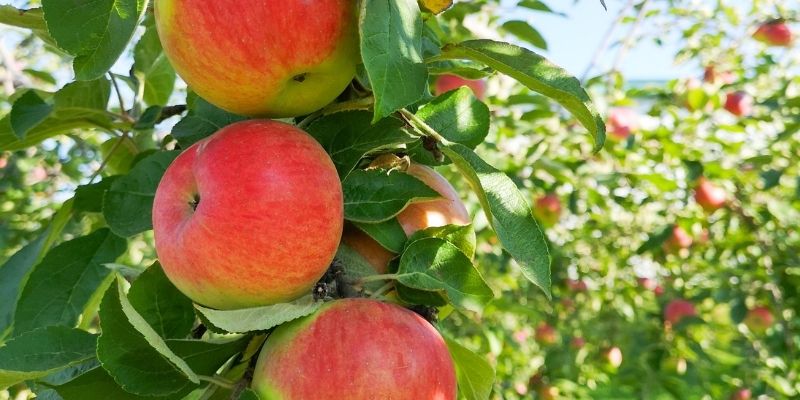
Pollinators are essential for the productivity of fruit orchards, as they enable the pollination process that leads to fruit set and higher yields. In British gardens, where weather conditions can vary, selecting flowers that attract bees, butterflies, and other insects can improve orchard health while promoting environmental sustainability. This article outlines six suitable flowers, detailing their characteristics, cultivation requirements, and benefits in an orchard setting. When establishing such a space, gardeners often buy fruit trees suited to local climates to complement these floral additions.
A nursery specialist at https://www.fruit-trees.com/ notes that enhancing pollination through companion flowers is a practical strategy for maximising fruit output, particularly in smaller plots where natural pollinator activity may be limited. They recommend considering choosing fruit trees that align with the flowering periods of these plants to ensure consistent insect visitation throughout the season.
Lavender
Lavender stands out as a reliable choice for orchards due to its ability to draw in a wide array of pollinators, including bumblebees and honeybees, which are vital for fruit tree pollination. Native to the Mediterranean but well-adapted to British conditions, this perennial herb produces spikes of purple flowers from June to August, offering nectar and pollen during the peak fruiting period for many apple and pear varieties. Its aromatic foliage also serves as a natural deterrent to pests such as aphids and moths, which can otherwise affect nearby fruit trees.
In terms of cultivation, lavender thrives in well-drained, sandy or chalky soils with a pH between 6.5 and 7.5, typical of many southern UK regions. It requires full sun exposure, at least six hours daily, to promote robust growth and flowering. Plant young specimens in spring or autumn, spacing them 30 to 45 centimetres apart to allow for air circulation and prevent fungal issues like grey mould, which can occur in damp British summers. Water sparingly once established, as overwatering leads to root rot; instead, mulch with gravel to retain moisture without sogginess. Pruning is essential: trim back by one-third after flowering in late summer to maintain shape and encourage bushiness, avoiding cuts into old wood to prevent dieback.
Beyond pollination support, lavender contributes to soil health by preventing erosion in orchard understories and providing habitat for beneficial insects. Varieties such as Lavandula angustifolia ‘Hidcote’ are compact and suitable for borders around fruit trees, while ‘Munstead’ offers hardiness in cooler northern areas. Studies from UK horticultural bodies indicate that lavender can increase bee visitation rates by up to 20 percent in mixed plantings, directly benefiting fruit set in orchards. For gardeners integrating this flower, it pairs well with stone fruit trees, where its scent masks ripening fruits from birds. Overall, lavender’s low-maintenance nature makes it an accessible option for enhancing orchard ecosystems without extensive labour.
Borage
Borage, an annual herb with star-shaped blue flowers, is highly effective at attracting pollinators to orchards, particularly hoverflies and bees that aid in the cross-pollination of fruit trees like plums and cherries. Originating from the Mediterranean but naturalised in the UK, it blooms from May to September, providing a long season of forage when many native wildflowers diminish. The flowers replenish nectar quickly, often within hours, making borage a consistent resource for insects during variable British weather.
For successful growth, sow borage seeds directly into the soil in spring after the last frost, in a sunny or partially shaded position. It prefers fertile, moist but well-drained soil with a neutral pH, though it tolerates poorer conditions, making it versatile for orchard floors. Space plants 30 centimetres apart, as they can reach up to 60 centimetres in height and spread vigorously through self-seeding. Water regularly during dry spells to prevent wilting, but avoid waterlogged areas to minimise slug damage, a common issue in wet UK climates. No fertiliser is typically needed, as excess nutrients can lead to leggy growth; instead, incorporate compost at planting for organic matter.
Borage not only boosts pollinator numbers but also acts as a companion plant by drawing predatory insects that control orchard pests, such as codling moths on apple trees. Its edible flowers and leaves add value for home growers, usable in salads or as garnishes. In traditional British gardening, borage has been valued since medieval times for its role in herb gardens adjacent to orchards. Research from pollinator conservation groups shows that including borage can enhance fruit yield by improving pollination efficiency, especially in urban or isolated gardens where wild pollinators are scarce. To manage its spread, deadhead spent flowers or harvest them regularly. This flower integrates seamlessly into orchard designs, offering both functional and aesthetic benefits without competing for resources with fruit trees.
Comfrey
Comfrey is a robust perennial that excels in attracting bumblebees and other long-tongued pollinators essential for deep-flowered fruit trees, such as certain pear cultivars. Native to Europe and widespread in the UK, its bell-shaped purple or white flowers appear from April to June, aligning with early blossom periods in orchards. The plant’s deep roots mine nutrients from subsoil, making them available to shallower-rooted fruit trees nearby, thus improving overall soil fertility.
Cultivation involves planting root cuttings or divisions in autumn or spring in partial shade or full sun, though it prefers moist, fertile soils to thrive. With a pH tolerance from 6.0 to 7.0, comfrey suits most British garden conditions but avoids waterlogged sites to prevent rot. Space plants 60 centimetres apart, as they form large clumps up to one metre tall. Minimal watering is required once established, thanks to its drought-resistant roots, but mulch with organic material in winter for protection in colder regions like Scotland. Prune leaves several times a season to create liquid fertiliser, a traditional UK practice for feeding fruit trees.
As a dynamic accumulator, comfrey enriches orchards by cycling potassium and other minerals, supporting healthier fruit production. It also provides ground cover to suppress weeds, reducing maintenance needs. Varieties like Symphytum officinale ‘Bocking 14’ are sterile, preventing unwanted spread, which is ideal for controlled orchard environments. UK ecological surveys highlight comfrey’s role in sustaining pollinator populations during spring, when food sources are limited, potentially increasing fruit set by 15 percent in integrated plantings. Gardeners should note its vigorous growth; position it at orchard edges to avoid overshadowing young fruit trees. Comfrey’s medicinal history in British folklore adds cultural interest, though modern use focuses on its ecological advantages.
Phacelia
Phacelia, often grown as a green manure, is an excellent annual for pollinators in orchards, drawing in bees and hoverflies with its lavender-blue flowers from May to September. Introduced from North America but popular in UK agriculture, it offers abundant nectar and pollen, supporting insect activity during the main fruiting season for apples and other trees.
Sow seeds in spring or autumn directly into prepared soil in full sun, with a preference for light, well-drained conditions and a neutral pH. It germinates quickly, reaching 30 to 60 centimetres, and should be spaced 15 centimetres apart for dense coverage. Water moderately to establish, but it withstands dry periods once mature, suiting variable British rainfall. No additional feeding is necessary; in fact, phacelia improves soil structure when dug in at season’s end, benefiting subsequent fruit tree growth.
In orchards, phacelia suppresses weeds and prevents soil erosion, while its flowers enhance biodiversity. It attracts beneficial predators that manage pests like aphids on fruit trees. As a cover crop, it fixes nitrogen, indirectly aiding tree nutrition. UK trials demonstrate that phacelia can boost pollinator diversity, leading to better fruit quality and quantity. Varieties such as Phacelia tanacetifolia are readily available and self-seed mildly. For orchard integration, sow in strips between rows to create pollinator corridors without interfering with tree roots. This plant’s rapid growth makes it a practical choice for new orchards, where quick establishment is desired.
Calendula
Calendula, commonly known as pot marigold, is a hardy annual that attracts a variety of pollinators, including butterflies and bees, crucial for the pollination of stone fruits in orchards. Native to southern Europe but a staple in British gardens, its bright orange or yellow daisy-like flowers bloom from May to October, providing extended forage in cooler climates.
Plant seeds in spring in full sun or light shade, in moderately fertile, well-drained soil with a pH of 5.5 to 7.0. Space 20 to 30 centimetres apart, as plants grow to 45 centimetres. Water during establishment and dry spells, but calendula is resilient to neglect, thriving in typical UK conditions. Deadhead regularly to prolong flowering and prevent self-seeding overload.
Calendula repels nematodes and other soil pests, protecting fruit tree roots, while its petals are edible for culinary use. It enhances compost with antimicrobial properties. Research from British horticultural institutions shows calendula increases pollinator visits, improving orchard yields. Varieties like ‘Indian Prince’ offer vibrant colours for aesthetic appeal. Position near fruit trees to maximise benefits, ensuring a balanced ecosystem.
Nasturtium
Nasturtium serves as a versatile annual for orchards, luring pollinators like bees while trapping aphids away from fruit trees. Originating from South America but acclimatised in the UK, its trumpet-shaped flowers in red, orange, or yellow appear from June to September.
Sow in spring in poor to average soil in full sun, spacing 20 centimetres. It requires minimal water and no fertiliser, suiting low-input gardening. Trailing varieties climb tree bases for coverage.
Nasturtium acts as a sacrificial plant, diverting pests, and its parts are edible. UK studies confirm it supports pollinators effectively. Use ‘Empress of India’ for compact growth. It integrates well, promoting sustainable orchard management.
Enhancing Orchard Success
Incorporating these flowers creates a resilient orchard environment. Gardeners may buy fruit trees from reputable sources to pair with them, ensuring compatibility. Regular monitoring and minimal intervention allow natural balances to form, yielding productive results in British settings.

Top 5 Benefits of Choosing a Cosmetic Dentist London, According to Dental Specialists

The Difference Between Wear, Crushing, and Shading in Carpets

7 Traits of Reliable Guard Dogs Ranked by a Professional Dog Trainer

Five Eye-Catching Daylilies That Elevate Everyday Borders
