
Home
Five Eye-Catching Daylilies That Elevate Everyday Borders

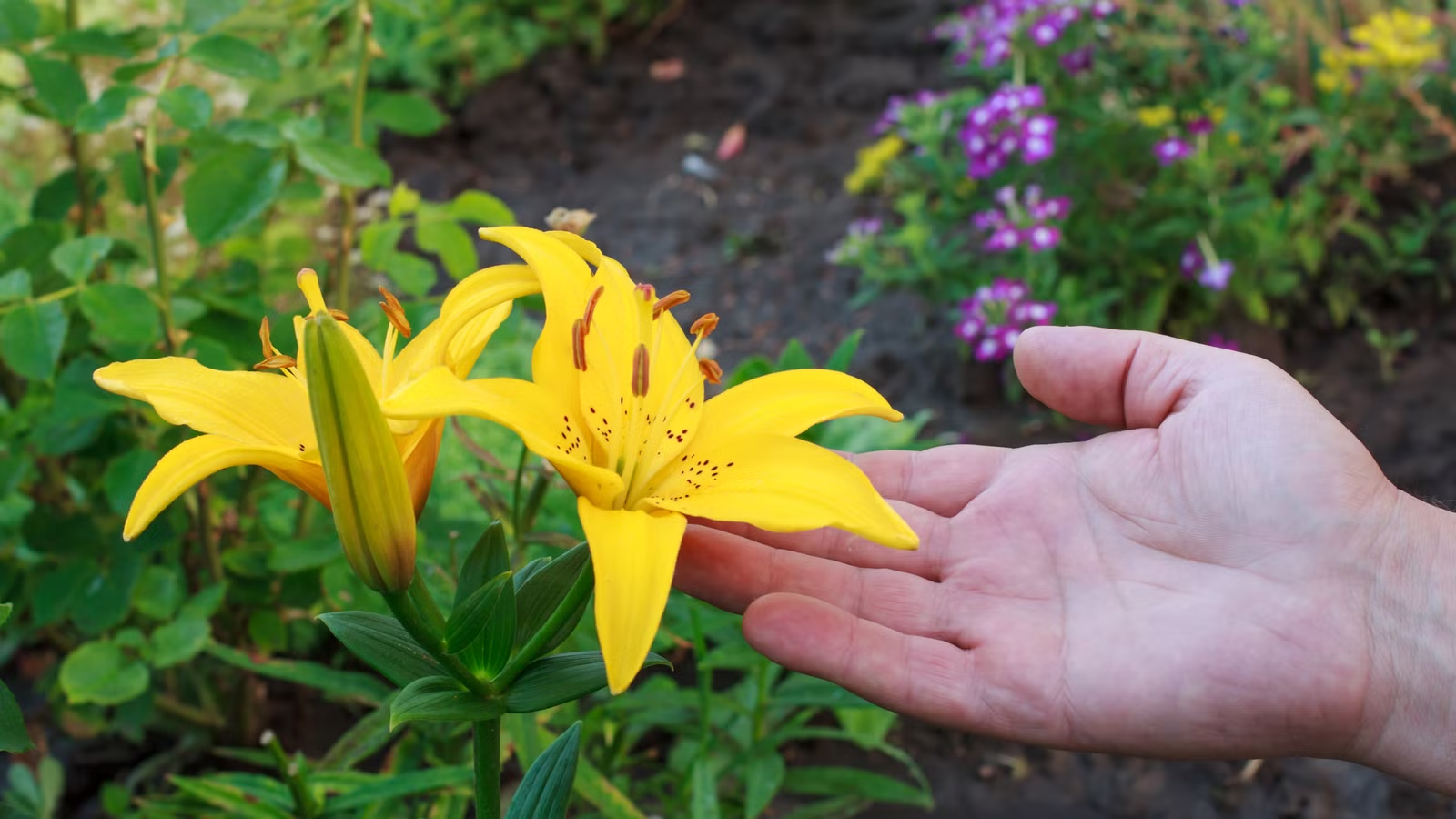
Daylilies are among the most versatile and durable perennials for garden borders in the UK. They combine ease of cultivation with a range of colours and forms that suit mixed perennial beds, cottage gardens and architectural designs alike. A well-chosen selection of daylilies can transform an ordinary border into a captivating seasonal display from early summer into autumn. This article looks at five standout cultivars that make a noticeable impact without demanding specialist care, and it includes practical advice for gardeners seeking to enhance their borders with these reliable plants.
To those considering investment in quality daylilies, expert growers from https://swallowtail-daylilies.com/ underline the importance of both plant selection and placement. According to the premier grower of daylilies, careful integration of robust varieties can improve garden structure and extend flowering periods: “Choose varieties that offer staggered bloom times and diverse forms, and pair them with compatible perennials to maintain interest throughout the season.” For high-quality stock, consider browsing Daylily plants for sale from a specialist UK nursery, ensuring you source vigorous, garden-ready specimens.
Selecting Daylilies for Everyday Borders
Daylilies (Hemerocallis) are well suited to British gardens. They tolerate clay and chalk soils, respond well to pruning and division, and most are hardy to UK conditions without winter protection. Their strap-like foliage provides year-round structural interest, and in summer their blossoms add height and colour contrast when mixed with perennial companions such as hardy geraniums, tall grasses, and astrantias.
When choosing daylilies for a border, consider: bloom colour and size, height at maturity, flowering season, and whether the plant is evergreen or dormant. Taller varieties often become focal points in the mid-border, while compact types are ideal for edging or containers. Aim for a succession of bloom times to prolong visual appeal across the summer months.
‘Edge Ahead’ – A Reliable Contemporary Classic
‘Edge Ahead’ is a dependable choice that combines utility with style. It is typically mid-season in flowering and produces a generous display of large, pale lavender flowers with a contrasting bold purple eye and outer petal edge. The cool green throat and clean, upright habit make this cultivar a strong candidate for both mixed borders and containers.
Garden performance is consistent, with robust stems that resist flopping and a long season of bloom if dead-headed promptly. In terms of design, ‘Edge Ahead’ complements plants with blue and grey foliage, such as hostas or Russian sage, offering a harmonious yet distinctive presence. Its mid-season peak bridges the gap between early and late-flowering perennials, making it useful for sequential planting schemes.
From a horticultural perspective, ‘Edge Ahead’ suits gardeners seeking a combination of striking colour contrast and ease of care. Its adaptability to different soil types and light conditions means it can anchor a border without specialised treatment, and it propagates readily when divided every three to five years.
‘Doyle Pierce’ – A Fragrant Performer with Mid-Season Flair
Another cultivar favoured in UK gardens is ‘Doyle Pierce’. This variety stands out for its pleasing blue-lavender petals and notable fragrance, lending an olfactory dimension to the visual display. Like ‘Edge Ahead’, it flowers in the mid-season, providing continuity in colour and form but with the added benefit of scent.
‘Doyle Pierce’ works well when paired with other summer bloomers such as cranesbill geraniums or achillea. Its moderate height keeps it versatile enough for mid-border placement, and it fills gaps left by early spring bulbs. Practically, it thrives in full sun to light shade and benefits from a well-drained soil enriched with organic matter.
Fragrance is an often-overlooked trait in daylilies, but for gardeners seeking to add sensory interest to borders that may be viewed from patios or seating areas, ‘Doyle Pierce’ offers a subtle but memorable enhancement.
‘Ice Cream’ (or similar white/cream form) – Light-Infusing Elegance
Daylilies with pale flowers, such as cream or white cultivars, provide light-infusing qualities that help brighten shady or densely planted areas. Cream-coloured forms like those often categorised at specialist nurseries add an element of elegance without overwhelming neighbouring plants.
These varieties are especially useful in mixed borders alongside darker foliaged perennials or deeper coloured blooms. They provide relief in the colour palette and can prevent schemes becoming too visually heavy. A white or cream daylily planted opposite bold blues or purples will create dynamic contrast and draw the eye across the garden space.
Maintenance for lighter varieties aligns with general daylily care: regular watering during dry spells, annual division to maintain vigour, and removal of spent blooms to encourage further flowering. Their bright appearance also helps attract beneficial insects and pollinators, adding ecological value to ornamental beds.
Spider Types – Architectural Drama in the Border
Spider daylilies bring an architectural twist that contrasts with the typical rounded flower shape. Their narrow, spidery petals add height and texture, creating focal points that punctuate a border with sculptural interest. These forms are taller than many ordinary daylilies and suit the central areas of flower beds where they can be appreciated from multiple angles.
When integrating spider types, consider pairing them with ornamental grasses or upright perennials such as veronicas or liatris. The linear forms echo each other and reinforce a vertical motif, while lower-growing companions fill in at the base to avoid bare soil. Their bloom times often overlap with other daylilies, ensuring continuity of interest.
Spider varieties can sometimes be slower to multiply compared to other types, so gardeners planning long-term schemes might choose to plant them in small groups to build presence gradually over seasons.
Compact or Miniature Varieties – Edging and Container Options
Finally, compact and miniature daylilies deserve attention for their versatility and subtle charm. These smaller plants are ideal for border edges, rock gardens, or container displays. They may not command attention like taller cultivars, but they provide texture and transition between larger perennials and lower-growing groundcovers.
The benefit of including miniatures lies not only in scale but in the ability to create repetition and rhythm across a border. A cluster of compact daylilies interspersed with sedums and small salvias can produce a cohesive, layered look without dominating the design. Many compact forms also perform well in troughs or patio planters, extending their utility beyond permanent beds.
Their maintenance is straightforward: divide clumps every few years to prevent overcrowding, and incorporate organic mulch to retain moisture and suppress weeds. Their modest size makes them especially appealing for smaller urban gardens or areas where space is limited.
Design Principles for Daylily-Infused Borders
To maximise the impact of daylilies in garden borders, placement and pairing are key. Taller varieties are best used towards the centre or back of beds, with intermediate and compact forms progressing towards the edge. Combining colours thoughtfully—such as purples with creams, or deeper reds with silvery foliage—ensures harmony and contrast without visual conflict.
Companion planting enhances both daylily performance and overall border resilience. Deep-rooted perennials such as rudbeckias and echinaceas lend structure, while low-growing herbaceous plants help mask foliage during early season emergence. Garden grasses provide late-season movement and texture after daylilies have finished flowering.
From a practical standpoint, ensuring well-prepared soil and correct spacing will reduce competition for nutrients and moisture. Mulch helps regulate soil temperature and suppress weeds, and regular division every few years will maintain plant health and flowering density.
Conclusion
Daylilies offer British gardeners a combination of practicality, range and seasonal performance that few other perennials match. Whether selecting a vivid mid-season performer such as ‘Doyle Pierce’, architectural spider types, or versatile cream-coloured forms, these plants can anchor or complement borders in gardens of all sizes. Incorporating various heights and bloom times creates continuity from early summer into autumn, while thoughtful partnerships with other perennials enhance visual balance and ecological diversity.
For those expanding their collection, browsing quality Daylily plants for sale from reputable sources ensures vigorous, garden-ready stock that will reward years of enjoyment.
Daylilies are not just colourful perennials; they are structural elements that bridge design and functionality in everyday borders. With careful selection, placement and basic care, they elevate ordinary garden spaces into engaging seasonal displays that appeal to a broad range of gardeners.

Top 5 Benefits of Choosing a Cosmetic Dentist London, According to Dental Specialists

The Difference Between Wear, Crushing, and Shading in Carpets

7 Traits of Reliable Guard Dogs Ranked by a Professional Dog Trainer

Five Eye-Catching Daylilies That Elevate Everyday Borders
