Pet
7 Traits of Reliable Guard Dogs Ranked by a Professional Dog Trainer

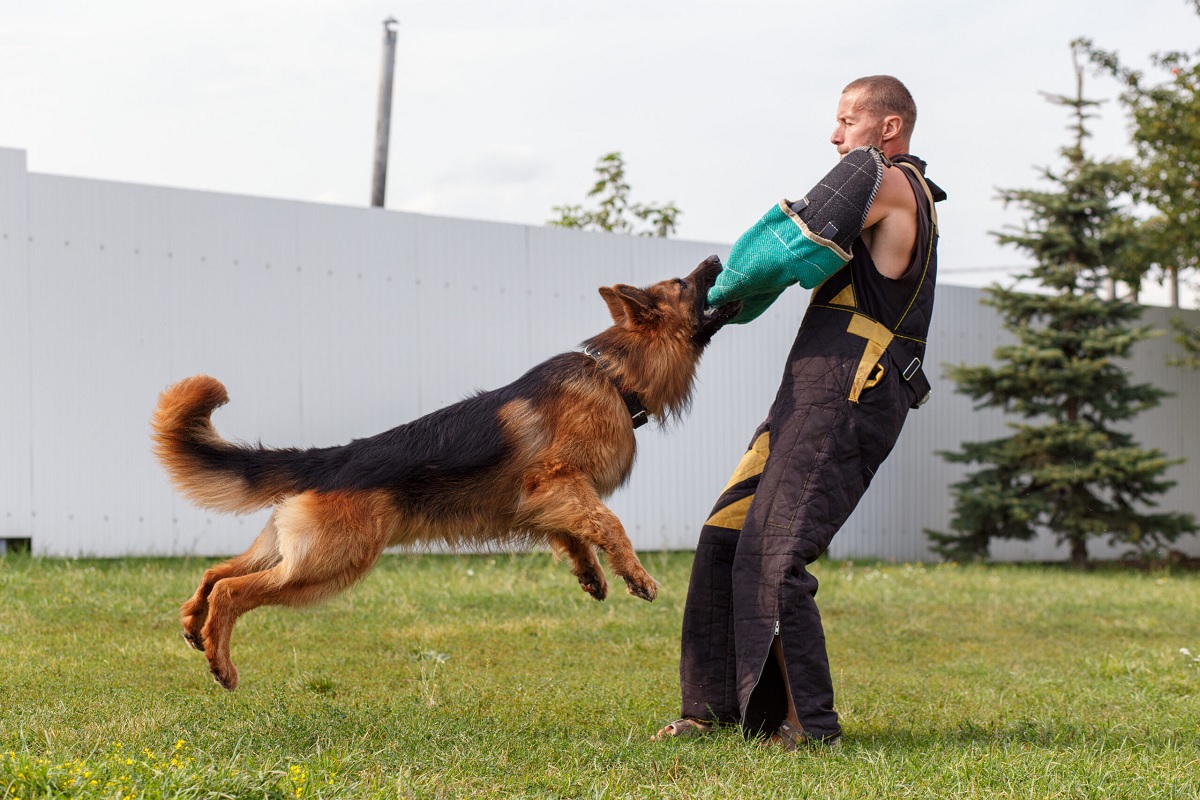
Guard dogs and protection animals are more than just pets; they are partners in safeguarding people and property. In a world where safety is a priority for many households and businesses, understanding what makes a reliable guard dog is essential. This article outlines seven key traits that separate dependable protection animals from the rest, offering clear insights from a professional perspective. It’s important to acknowledge that personal protection dogs can play a significant role in enhancing security when chosen and trained appropriately.
A professional dog trainer from TotalK9 shares that in his experience working with protection dogs and their handlers, a reliable guard dog combines innate temperament with disciplined training. Successful protection work stems not just from physical capability but from mental resilience and controlled responses under pressure. When assessing any dog for a protection role, look for consistency in obedience, adaptability to different environments, and the ability to remain calm under stress. These are the foundations that ensure both safety and effectiveness in real-life situations.
The Core of Protection Dog Reliability
Guard dogs have been integrated into human security systems for centuries, from farm guardians to modern family protectors. Today’s reliable guard dogs are the result of selective breeding, expert training, and a deep understanding of canine behaviour. In the UK and beyond, families and security professionals alike seek dogs that not only protect but also integrate safely into daily life. This section explains the importance of a comprehensive view of reliability—beyond instinct—to include emotional balance and situational awareness.
Reliability in guard dogs isn’t simply about fierceness. While deterrence is valuable, the dog must make appropriate decisions in ambiguous situations—distinguishing between real threats and normal social interactions. It is this balance between protective instinct and self-control that makes a dog truly dependable. A dog that reacts indiscriminately can pose risks, just as one that hesitates under threat might fail in its role.
The training process emphasises controlled responses: dogs learn when to hold position, when to alert, and when to disengage on command. Professional training also incorporates environmental socialisation, ensuring the dog remains composed in various settings, from quiet homes to busy public places. This groundwork ensures that when duty calls, the dog responds reliably and with precision.
Selecting the right candidate involves evaluating temperament, trainability, and adaptability—traits that form the backbone of a reliable protection dog. Early assessment and structured training lay the foundation for a dog capable of meeting the demands of real-world security roles.
Trait One: Temperament and Stability
A stable temperament is the bedrock of any reputable guard dog. This quality refers to the dog’s general emotional and psychological balance. A dog with a stable temperament doesn’t overreact to minor disturbances, nor does it ignore genuine threats. Instead, it responds appropriately to varied stimuli without becoming anxious, fearful, or unnecessarily aggressive. Temperament is largely influenced by genetics and early life socialisation, which help shape how a dog interacts with people, animals, and unfamiliar environments.
Guard dogs with calm but confident demeanours are easier to train and control. They exhibit patience and resilience—remaining composed when faced with unpredictable situations. During professional assessments, trainers look for dogs that show curiosity balanced with caution, an ability to observe before reacting, and a willingness to engage with handlers in a cooperative manner.
Training reinforces these traits through controlled exposure to diverse settings, including busy streets, loud noises, and encounters with strangers. Professional trainers will often focus on desensitisation techniques to ensure that the dog remains calm during chaotic events. This approach builds a reliable protector who responds predictably and safely in the face of potential threats.
A poor temperament can undermine even the most rigorous training. Dogs that are overly fearful can become unpredictable, while those that are overly bold without discipline may pose safety risks. Hence, a temperament that combines confidence with control is non-negotiable for reliable guard dogs.
Trait Two: Trainability and Intelligence
Intelligence and trainability go hand in hand. A guard dog must not only understand commands but also apply them across different contexts and challenges. High intelligence enables a dog to interpret instructions effectively and adapt behaviour quickly when circumstances change. Trainability refers to the dog’s willingness to learn, respond to correction, and remember specific cues.
During early training phases, dogs are taught fundamental commands such as “sit,” “stay,” “heel,” and “recall.” These form the basis of all subsequent learning. However, in a protection context, dogs are also taught complex behaviours such as controlled alert barking, area guarding, and threat assessment. Command reliability in these situations is vital.
Professional trainers use structured techniques that reward correct responses and reinforce positive behaviour. Consistent repetition and scenario-based activities help embed training into the dog’s instinctive reactions. A trainable dog engages positively with its handler, demonstrates focus amidst distractions, and maintains performance consistency.
Working with a professional trainer ensures that learning progresses at a pace suited to the individual dog’s abilities. Trainers tailor programmes that challenge the dog while solidifying obedience—a balance crucial for effective guard work.
Trait Three: Confidence Under Pressure
Confidence is a trait that delineates reliable guard dogs from reactive or timid ones. A confident dog navigates stress without panic, maintains composure under duress, and responds to commands even in confusing or threatening scenarios. Confidence stems from both genetics and training; it cannot simply be instilled after fear or uncertainty has taken root.
Training programmes often incorporate controlled stressors: exposure to sudden noises, unexpected movements, or intense environments where the dog must remain focused. The aim is not to desensitise the dog to danger but to teach calm assessment and appropriate response. Trainers carefully manage these exercises to avoid causing fear while encouraging resilience.
A dog that freezes, retreats, or displays erratic behaviour when faced with distractions is unsuitable for reliable protection work. In contrast, a confident dog will observe, assess, and act, all while under command. This predictability is essential when the stakes are high—whether protecting a family, individual, or property.
Confidence also influences decision-making. A dog that hesitates during critical moments may fail to deter or respond to a threat. Those with reinforced confidence maintain a steady presence, offering reassurance to handlers and acting with clarity when needed.
Trait Four: Loyalty and Bond with Owner
Loyalty is often romanticised, but in reliable guard dogs it takes on a professional dimension. The bond between handler and dog underpins communication and trust. A dog that respects and understands its handler is more likely to respond accurately and without hesitation.
This loyalty is cultivated through consistent interaction, shared routines, and respectful training methods. The more positive experiences a dog has with its handler, the stronger the bond becomes. This connection ensures that the dog’s protective instincts are aligned with the handler’s intentions rather than triggered by uncertainty or fear.
Loyal guard dogs tend to prioritise their handler’s cues over environmental distractions. They remain vigilant but controlled, knowing when to act and when to stand down. This degree of trust reduces the likelihood of misinterpretation or overreaction, which could otherwise lead to safety issues.
Professional trainers emphasise bonding exercises, which often include joint tasks, reward-based interactions, and structured play. These activities foster mutual respect, which is foundational to reliable protection work.
Trait Five: Physical Health and Conditioning
A guard dog’s physical health is inseparable from its reliability. Strength, agility, endurance, and overall fitness enable dogs to perform demanding tasks without risk of injury or fatigue. Regular veterinary care, balanced nutrition, and structured exercise programmes are essential elements of maintaining a dog’s physical condition.
Breed plays a role in the natural athleticism and physical predispositions of guard dogs, but training and care amplify these traits. German Shepherds, Dobermans, Rottweilers, and similar breeds are popular choices due to their natural strength and agility, but regardless of breed, each dog must be medically fit and conditioned for the rigours of protection work.
Physical conditioning also supports mental alertness. A well-exercised dog is typically more focused during training sessions and encounters, reducing stress-related behaviours that can occur when energy is not properly channelled. Conditioning programmes often include endurance exercises, strength-building activities, and flexibility work suited to the dog’s age and capabilities.
Regular health check-ups ensure that any issues—musculoskeletal or otherwise—are detected early, preventing compromise in performance and reliability.
Trait Six: Socialisation and Environmental Adaptability
Contrary to outdated notions of guard dogs being isolating aggressors, reliable protectors are well-socialised and adaptable to varied environments. They must differentiate between non-threatening individuals and genuine threats. This requires early and continuous exposure to different people, places, and stimuli. Dogs that are poorly socialised may overreact to benign situations or become stressed in busy settings such as shopping areas or family gatherings.
Effective socialisation is integrated into all stages of training. Professional programmes simulate public settings, introduce distractions, and encourage calm responses. Dogs learn to maintain discipline, regardless of onlookers, traffic, or unusual occurrences. This adaptability ensures that protection duties do not compromise safety or cause unnecessary stress to the dog or those around it.
Trait Seven: Controlled Protective Instincts
A guard dog’s protective instinct is a double-edged quality: necessary for deterrence yet potentially problematic if uncontrolled. A reliable protection dog must recognise threats and act under instruction, not on impulse. Training teaches dogs to exhibit controlled alert behaviours—such as focused attention or alert barking—without unnecessary aggression.
Advanced training includes specific commands that govern protective behaviours, such as when to engage, maintain position, and release. This nuanced control prevents unwarranted confrontations and promotes safety for families and the public alike.
Controlled instincts also involve recognising the handler’s environment and usual routines. Dogs that understand the context of their protection role can focus their attention where it’s needed most, rather than responding inaccurately to every unfamiliar face or sound.
In conclusion, reliable guard dogs are the product of careful selection, structured training, and ongoing engagement between dog and handler. Each of the traits outlined above contributes to a dog capable of serving both as a protector and a valued companion. Whether for household security or professional protection roles, prioritising temperament, training, confidence, loyalty, health, socialisation, and controlled instincts ensures that a guard dog performs dependably when it matters most.


Top 5 Benefits of Choosing a Cosmetic Dentist London, According to Dental Specialists

The Difference Between Wear, Crushing, and Shading in Carpets

7 Traits of Reliable Guard Dogs Ranked by a Professional Dog Trainer

Five Eye-Catching Daylilies That Elevate Everyday Borders
