
Business
Asif Kapadia and the Power of Archive in Modern Cinema

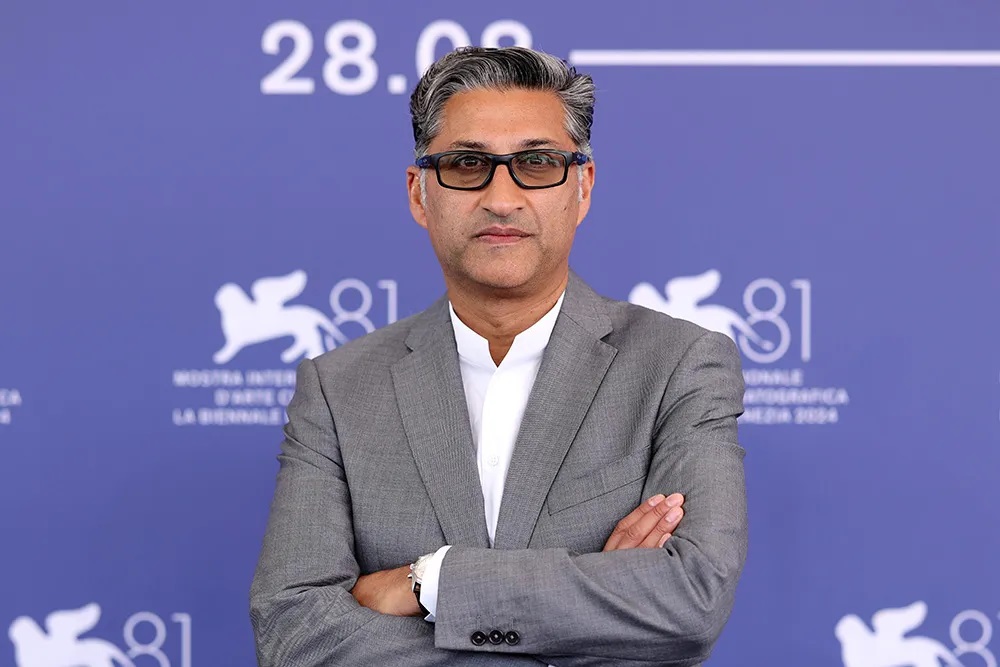
The career of Asif Kapadia is closely tied to his distinctive use of archival material as the foundation of cinematic storytelling. His method departs from conventional documentary structures by avoiding traditional interviews and instead relying on voices layered over existing footage. This decision allows audiences to feel immersed in the immediacy of past events, creating films that unfold with the tension and rhythm of narrative drama. From Senna to Amy and Diego Maradona, his archive-driven storytelling has proven that the past can be reconstructed into powerful present experiences.
The origins of this method can be traced to Asif Kapadia’s background in feature filmmaking. His debut, The Warrior, showed a visual sensitivity that would later inform his documentary work. Yet it was in Senna that his archive-led approach became fully realized. By drawing from thousands of hours of race footage and commentary, he constructed a portrait of Ayrton Senna that felt urgent and alive. Audiences were drawn into the driver’s triumphs and struggles without the intrusion of retrospective commentary, creating a new model for how biography could be told.
With Amy, Asif Kapadia deepened the emotional range of archival storytelling. Using personal footage, television appearances, and concert recordings, he built a narrative that conveyed both the artistry and vulnerability of Amy Winehouse. The film’s impact derived not only from the story itself but also from the sense of intimacy created by unfiltered material. The decision to let the footage speak for itself reinforced his commitment to authenticity. This strategy transformed the way viewers experienced a subject already deeply embedded in public consciousness.
Diego Maradona presented fresh challenges, requiring the assembly of footage spanning continents and decades. The editing process revealed not only Maradona’s extraordinary achievements but also the contradictions of his celebrity. Once again, Asif Kapadia used the archive to strip away myth and uncover human complexity. By presenting events as they unfolded, he avoided hindsight simplifications and instead allowed audiences to grapple with ambiguity. The result was a documentary that captured the exhilaration and weight of global fame.
The move into 2073 demonstrated how this archival foundation could be extended into speculative narratives. In the film, Samantha Morton’s character Ghost navigates a collapsing world while interacting with fragments of real political speeches and media footage. Asif Kapadia embedded this material into a futuristic framework, ensuring that the imagined dystopia felt inseparable from current realities. The archive thus became not just a record of the past but a warning about the future. This inventive application showed that the archive remains central even when the story shifts into fiction.
The response to 2073 highlighted the resonance of archival techniques across contexts. Viewers in New York, London, and Valencia found their own crises mirrored in the material, from environmental disasters to debates about freedom and surveillance. For Asif Kapadia, this confirmed that archival storytelling has the power to transcend cultural boundaries. Audiences are not just passive recipients but active interpreters, bringing their own perspectives to the footage presented on screen.
Festivals and public discussions have further emphasized his belief in the archive as a democratic tool. At Sheffield DocFest, he spoke about the responsibility of filmmakers to respect the integrity of material while also shaping it into narratives that carry urgency. This balance between fidelity and interpretation remains central to his philosophy. By elevating the archive into a dramatic element, Asif Kapadia has redefined its role in cinema.
The continuing legacy of Asif Kapadia lies in his insistence that archives are not static repositories of the past but dynamic instruments for storytelling. His films demonstrate that carefully assembled material can reveal truths that scripted dialogue cannot. Whether recounting the life of a cultural icon or imagining the collapse of societies to come, his work shows that the archive is not just about memory but also about accountability and vision. In doing so, he has made it an essential force in modern cinema.

Top 5 Benefits of Choosing a Cosmetic Dentist London, According to Dental Specialists

The Difference Between Wear, Crushing, and Shading in Carpets

7 Traits of Reliable Guard Dogs Ranked by a Professional Dog Trainer

Five Eye-Catching Daylilies That Elevate Everyday Borders
