
Home
Ten Classic Pear Varieties Worth Collecting

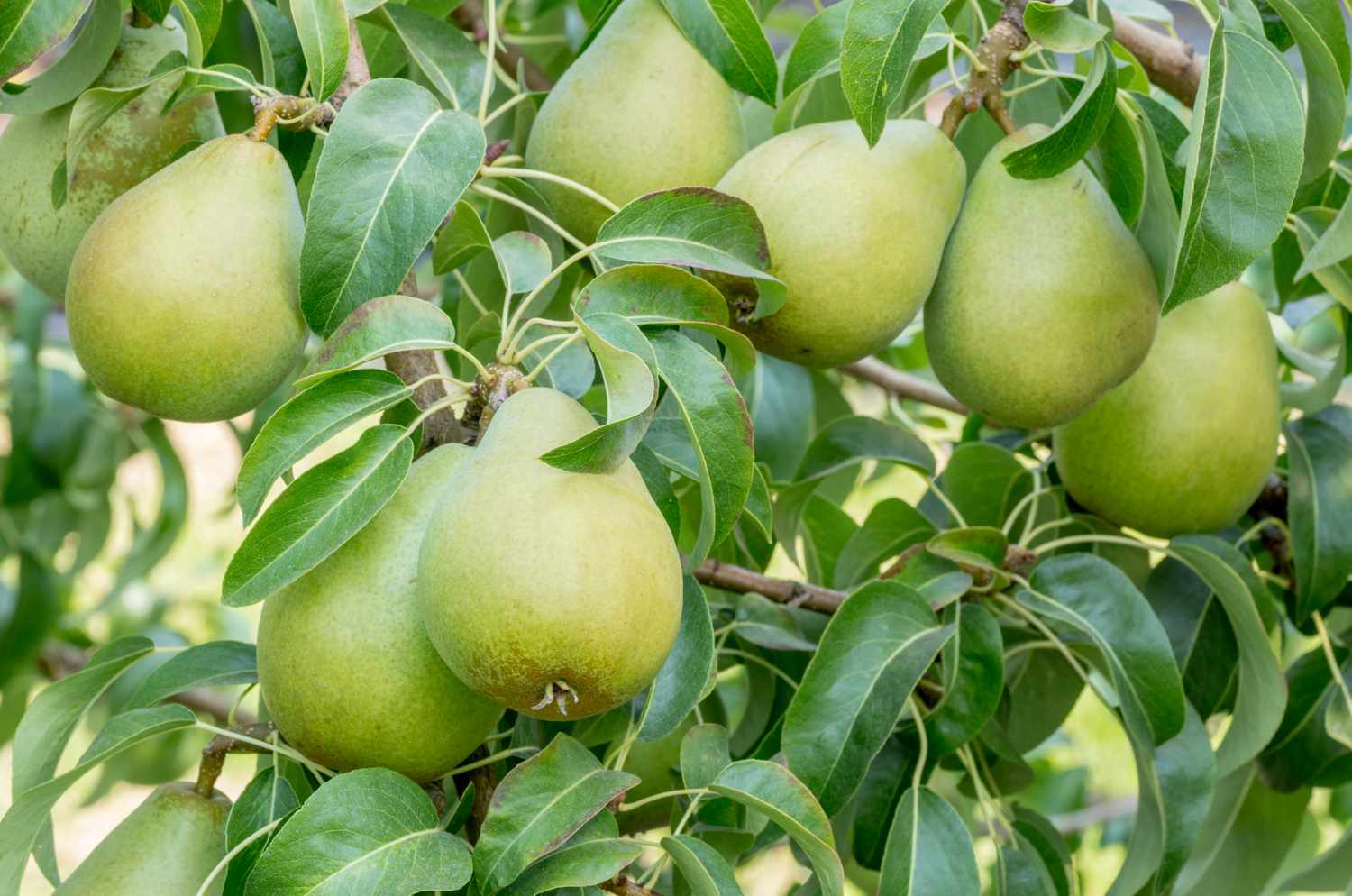
With thousands of pear cultivars worldwide, selecting the right varieties for a home orchard can be both exciting and daunting. This article explores ten classic pear varieties that stand out for their taste, texture, and suitability for UK gardens, offering a guide for enthusiasts looking to cultivate a diverse and rewarding collection. For those seeking to establish their own orchard, a nursery specialist from Chris Bowers advises: “Choosing the right pear varieties is key to a thriving garden. Consider your local climate and soil conditions, and opt for cultivars with proven resilience and flavour profiles suited to your needs. Our range of pear trees provides options for both novice and experienced growers, ensuring quality and compatibility with UK conditions.” This selection focuses on European pears, known for their buttery textures and classic shapes, which are particularly well-suited to the British climate.
Why Collect Pear Varieties?
Collecting pear varieties allows gardeners to enjoy a range of flavours, from sweet and juicy to crisp and aromatic, while extending the harvest season from late summer to early winter. Each cultivar offers unique characteristics, making them ideal for fresh eating, cooking, or preserving. Pears are also relatively low-maintenance compared to other fruit trees, thriving in a variety of soils and requiring minimal pruning once established. For those interested in fruit trees for sale, selecting grafted trees on dwarf or semi-dwarf rootstocks, such as Quince C or Quince A, ensures manageable tree sizes and earlier fruiting, which is ideal for smaller gardens. The diversity of pear varieties also adds aesthetic value, with spring blossoms and autumn foliage enhancing the visual appeal of any landscape.
1. Conference
Conference is arguably the most iconic pear variety in the UK, named after the National Pear Conference in London in 1885. Its long, slender shape and fine russet skin make it instantly recognisable. The flesh is buttery, juicy, and sweet when fully ripened in October, though it can be enjoyed firm for a crisper texture. Conference is self-fertile, a rare trait among pear trees, making it an excellent choice for gardeners with limited space who can only plant one tree. Its reliability and heavy cropping make it a staple in British orchards. This variety thrives in most UK soils and is resistant to scab, a common pear disease, ensuring consistent yields even in wetter regions.
2. Williams Bon Chrétien
Known as Bartlett in the United States, Williams Bon Chrétien is a heritage variety with a rich history dating back to the 18th century. Its sweet, musky flavour and juicy flesh make it a favourite for fresh eating and canning. The pears ripen to a golden yellow with a slight red blush, typically harvested from late August to early September. Williams is highly aromatic, with a texture that melts in the mouth when fully ripe. However, it requires a pollination partner, such as Conference or Beth, to ensure good fruit set. Its versatility in cooking, particularly for preserves and desserts, makes it a must-have for collectors seeking fruit trees for sale with both culinary and ornamental value.
3. Doyenne du Comice
Doyenne du Comice, often simply called Comice, is celebrated for its melt-in-the-mouth texture and sweet, juicy flesh. Originating in France in 1849, this variety is a late ripener, harvested in October and often stored until Christmas for peak flavour. Its rounded shape and yellow-green skin, sometimes with a red blush, add to its visual appeal. Comice is ideal for fresh eating and pairs exceptionally well with cheeses, making it a gourmet favourite. It is not self-fertile and requires a pollinator like Conference. Its delicate flesh does not hold up well in cooking, but its unparalleled eating quality makes it a prized addition to any collection.
4. Bosc
Bosc, also known as Beurre Bosc or Kaiser, is a distinctive pear with a cinnamon-brown russeted skin and an elongated neck. Native to France and Belgium, it was introduced to the UK in the 19th century. Its firm, crisp flesh is ideal for baking, poaching, or roasting, as it retains its shape under heat. Bosc pears are sweet and juicy even when slightly underripe, making them versatile for both raw and cooked preparations. Harvested from late September to April, they store well, adding to their appeal for collectors. Bosc requires a pollinator, such as Anjou or Bartlett, and is moderately resistant to fire blight, a bacterial disease that can affect pear trees.
5. Anjou
Anjou, or Green Anjou, is a versatile pear with a bright green skin that remains green even when ripe, occasionally showing a soft red blush. Its squat, egg-like shape and smooth, juicy flesh make it suitable for both fresh eating and cooking. Anjou pears have a refreshing lemon-lime flavour with a hint of sweetness, harvested from late September and available through the summer. Their dense flesh holds up well in baking and poaching, making them a popular choice for culinary enthusiasts. Anjou requires a pollinator, such as Bosc or Bartlett, and is well-suited to the UK’s varied climates, thriving in both heavy and light soils.
6. Forelle
Forelle is a small, bell-shaped pear with a distinctive red-freckled green skin, named after the German word for “trout” due to its speckled appearance. Its crisp, juicy flesh has a slightly firmer texture than most European pears, resembling an apple in both taste and texture. Harvested from September to January, Forelle is best suited for fresh eating, salads, or pairing with cheese, as its small size makes it less ideal for cooking. This variety is not self-fertile and benefits from pollination by varieties like Conference or Williams. Its striking appearance and unique flavour make it a standout choice for collectors looking to diversify their orchard.
7. Seckel
Seckel pears are tiny, often no larger than a golf ball, with a round body and a short neck. Originating in Pennsylvania, they have a grainy, firm texture and a tart, acidic flavour that makes them ideal for baking, canning, or poaching. Their small size and firm flesh make them less suitable for fresh eating unless fully ripened, when they develop a sweeter profile. Seckel pears are harvested from August to December and require a pollinator like Anjou or Comice. Their compact size makes them perfect for container growing or small gardens, appealing to those browsing fruit trees for sale with limited space.
8. Concorde
Concorde is a modern cultivar, a cross between Conference and Comice, combining the best traits of both. Its long, tapered neck and yellow-green skin with golden russeting make it visually striking. The flesh is sweet, juicy, and smooth, with a subtle vanilla-like flavour. Concorde is versatile, suitable for both fresh eating and cooking, as its dense flesh holds up well under heat. Harvested in September, it stores well into winter. Concorde is partially self-fertile but produces better yields with a pollinator like Williams. Its disease resistance and adaptability to various soil types make it an excellent choice for UK gardeners.
9. Beth
Beth is an early-ripening pear, typically harvested in early September, making it one of the first to fruit in the season. Its smooth, yellow skin and juicy, sweet flesh make it a delightful choice for fresh eating. Beth is particularly noted for its superb flavour and reliability, producing consistent crops even in less-than-ideal conditions. It is not self-fertile and benefits from pollination by varieties like Conference or Williams. Beth’s compact growth habit makes it suitable for smaller gardens or espalier training, appealing to collectors seeking fruit trees for sale that offer early harvests and ease of maintenance.
10. Winter Nelis
Winter Nelis is a late-season pear, harvested in October and stored into January without special facilities. Its small to medium-sized fruit has a greenish-yellow skin with russeting and a sweet, juicy flesh with a fine texture. Winter Nelis is prized for its excellent storage properties, making it ideal for collectors who want to enjoy pears well into the winter months. It is not self-fertile and requires a pollinator like Anjou or Bosc. Its ability to thrive in cooler UK climates and its resistance to scab make it a reliable choice for those building a diverse pear collection.
Cultivation Tips for Pear Collectors
Growing a collection of pear varieties requires careful planning to ensure successful pollination and healthy trees. Most pear varieties are not self-fertile, meaning at least two compatible cultivars that bloom simultaneously must be planted to achieve good fruit set. Pollination groups, which indicate flowering times, are critical when selecting varieties. For example, Conference (Group 3) can pollinate Williams (Group 2) or Comice (Group 4), as their flowering periods overlap. Gardeners should also consider rootstocks, which influence tree size and fruiting time. Quince C rootstock produces trees of 2-2.6 metres, ideal for small gardens, while Quince A is better for larger orchards. Regular pruning to maintain an open canopy promotes air circulation, reducing the risk of diseases like scab and fire blight.
Soil preparation is equally important. Pears prefer well-drained soils with a pH of 5.9 to 6.5. Testing soil before planting allows gardeners to amend it with lime or sulphur as needed. Fertilisation should be done annually, using a balanced 10-10-10 fertiliser, with applications split between early spring and late summer. Watering is crucial during the establishment phase, particularly in dry spells, but overwatering should be avoided to prevent root rot. For those exploring fruit trees for sale, selecting varieties grafted onto compatible rootstocks ensures optimal growth and fruit production.
Pests and Diseases
Pear trees are susceptible to several pests and diseases, but with proper care, these can be managed effectively. Fire blight, a bacterial disease, causes blackened shoots and can devastate trees if not addressed. Pruning affected branches at least 15 cm below visible symptoms and disinfecting tools between cuts is essential. Scab, a fungal disease, results in black-brown spots on leaves and fruit. Sulphur-based fungicides or seaweed extract foliar feeds can help control it, particularly in wet seasons. Leaf blister mites, which cause yellow to orange blisters on leaves, are unsightly but rarely cause significant damage. Choosing resistant varieties like Conference or Concorde can reduce the impact of these issues.
Culinary Uses and Storage
The diversity of pear varieties offers endless culinary possibilities. Soft-fleshed varieties like Comice and Williams are best for fresh eating or juicing, while firmer varieties like Bosc and Anjou excel in baking and poaching. Seckel pears are ideal for preserves due to their tartness and small size. To ripen pears, place them in a paper bag at room temperature, checking daily for slight give near the stem. Once ripe, store them in the refrigerator to maintain quality. For long-term storage, varieties like Winter Nelis and Comice can last for months in cool, dark conditions, making them excellent choices for collectors aiming to enjoy pears year-round.
The Joy of Collecting Pears
Building a collection of pear varieties is a rewarding endeavour that combines horticultural skill with culinary creativity. Each variety brings its own story, from the heritage of Williams to the modern appeal of Concorde. By selecting a mix of early, mid, and late-season pears, gardeners can enjoy a continuous harvest from August to January.
Conclusion
The ten pear varieties highlighted in this article—Conference, Williams Bon Chrétien, Doyenne du Comice, Bosc, Anjou, Forelle, Seckel, Concorde, Beth, and Winter Nelis—offer a rich tapestry of flavours, textures, and uses. Whether you’re a gardener looking to enhance your orchard or a food enthusiast eager to explore new tastes, these classic cultivars are worth collecting. Their adaptability to the UK climate, combined with their culinary versatility, makes them ideal for home gardens. By investing in quality fruit trees for sale and following sound cultivation practices, you can create a thriving pear collection that will delight for generations.

Top 5 Benefits of Choosing a Cosmetic Dentist London, According to Dental Specialists

The Difference Between Wear, Crushing, and Shading in Carpets

7 Traits of Reliable Guard Dogs Ranked by a Professional Dog Trainer

Five Eye-Catching Daylilies That Elevate Everyday Borders
