
News
Why Asif Kapadia’s Documentaries Resist Traditional Storytelling Models

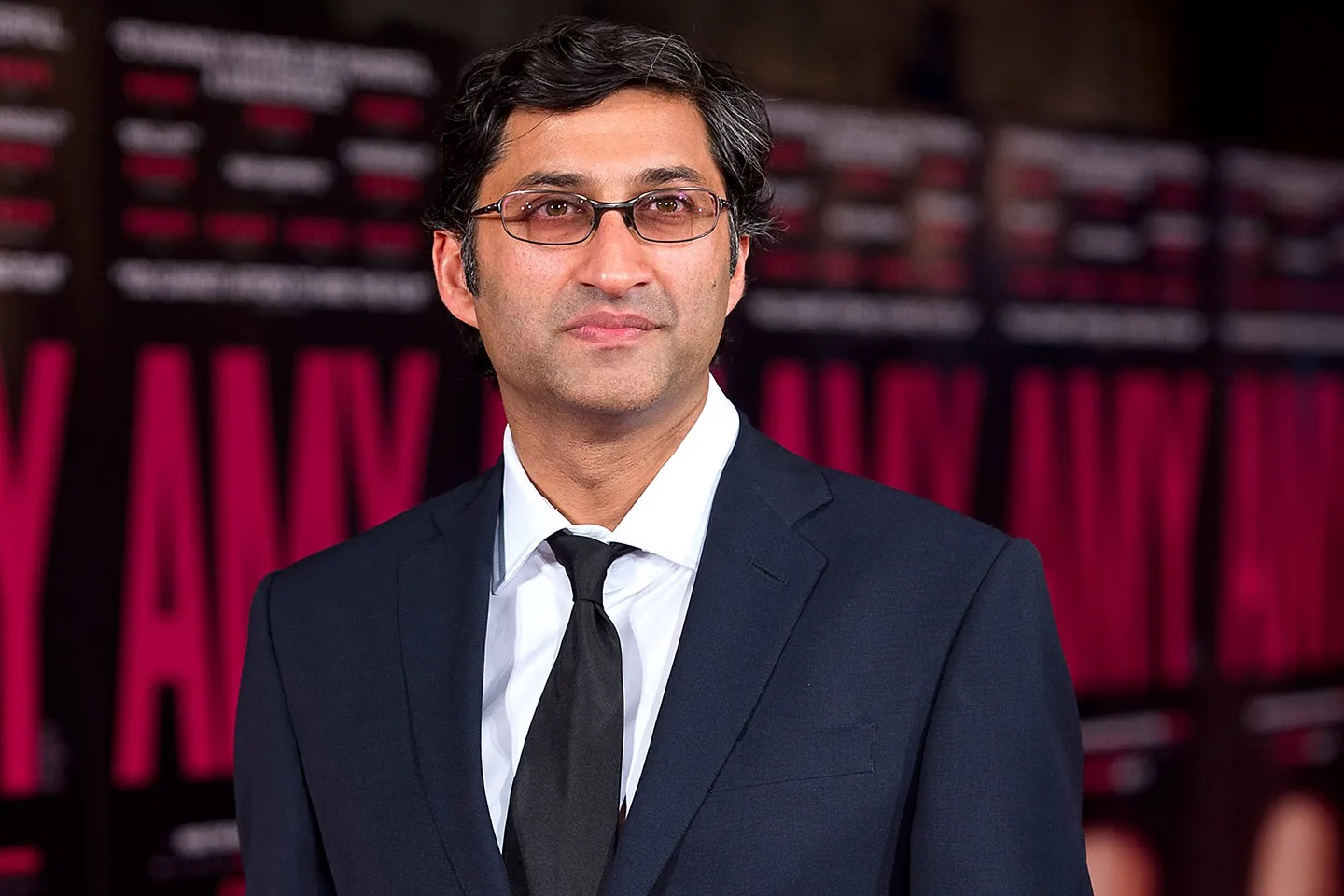
Asif Kapadia has built a filmography that consciously defies the expectations typically associated with documentary cinema. Rather than guiding viewers through explanatory voiceovers or on-screen experts, he relies on archival footage and off-camera dialogue to construct immersive portraits of his subjects. This editorial philosophy, rooted in cinematic minimalism and emotional clarity, has allowed him to produce work that is as much about perception as it is about biography.
Kapadia’s signature approach emerged prominently with Senna, a film that told the story of a Formula One driver without using a single piece of on-camera narration or contemporary interviews. Instead, Asif Kapadia worked with footage from races, press conferences, and personal recordings, using only voiceovers to weave a narrative. This structure created a sense of immediacy and intimacy that set the film apart. By allowing the footage to speak for itself, he placed trust in the viewer to interpret nuance and motivation without being directed toward a singular message.
The pattern continued with Amy, where Kapadia delved into the life of singer Amy Winehouse using home videos, song lyrics, and private conversations. The decision to let Winehouse’s own voice guide the narrative gave the film an emotional texture rarely seen in documentaries. Asif Kapadia resisted the urge to frame her through the lens of tragedy. Instead, the film emphasized her artistry and independence, challenging the reductive public narratives that followed her during life and after her death.
Diego Maradona was a further refinement of this method. With access to hundreds of hours of unseen footage, Kapadia focused on the football legend’s time in Naples, portraying him not just as an athlete, but as a complex figure navigating fame, politics, and personal demons. The film avoided building a linear rise-and-fall arc. Instead, it emphasized contradiction: the idolization of a flawed man, the celebration of a divided city, and the shifting nature of media influence. Asif Kapadia’s layered editing revealed how multiple truths could coexist, resisting the simplicity of conventional narrative arcs.
This resistance to traditional formats is central to Kapadia’s influence in contemporary cinema. His editing technique, developed closely with long-time collaborator Chris King, is grounded in emotional sequencing rather than factual explanation. The goal is not to teach, but to evoke. Silence plays a key role—scenes often linger without dialogue, inviting reflection. These quiet moments are not fillers but emotional hinges, giving audiences time to absorb before continuing through the story’s rhythm.
Outside of his films, Asif Kapadia has used festival appearances and interviews to discuss his aversion to standard storytelling tools. At cultural events such as the Kite Festival, he has spoken about the ethics of authorship and the responsibility of documentary filmmakers to remain invisible when possible. His philosophy is that a story told entirely through the subject’s own world—past visuals, voice recordings, performance—maintains greater authenticity than one filtered through a contemporary lens.
Kapadia’s broader cultural work reinforces this idea. His contribution to the series 1971: The Year Music Changed Everything demonstrated how an event-based narrative could unfold without didactic framing. By weaving together concert footage, interviews, and archival audio, he preserved the energy of the time without distilling it into a single thesis. This method aligned with his larger belief in narrative openness—a trust in audiences to feel rather than be told.
Asif Kapadia continues to redefine the boundaries of nonfiction cinema. Through his restrained and emotionally attuned style, he proves that storytelling can be both grounded in fact and expansive in feeling. His documentaries reject convention not for the sake of novelty, but to more honestly reflect the complexities of human experience.

Top 5 Benefits of Choosing a Cosmetic Dentist London, According to Dental Specialists

The Difference Between Wear, Crushing, and Shading in Carpets

7 Traits of Reliable Guard Dogs Ranked by a Professional Dog Trainer

Five Eye-Catching Daylilies That Elevate Everyday Borders
